
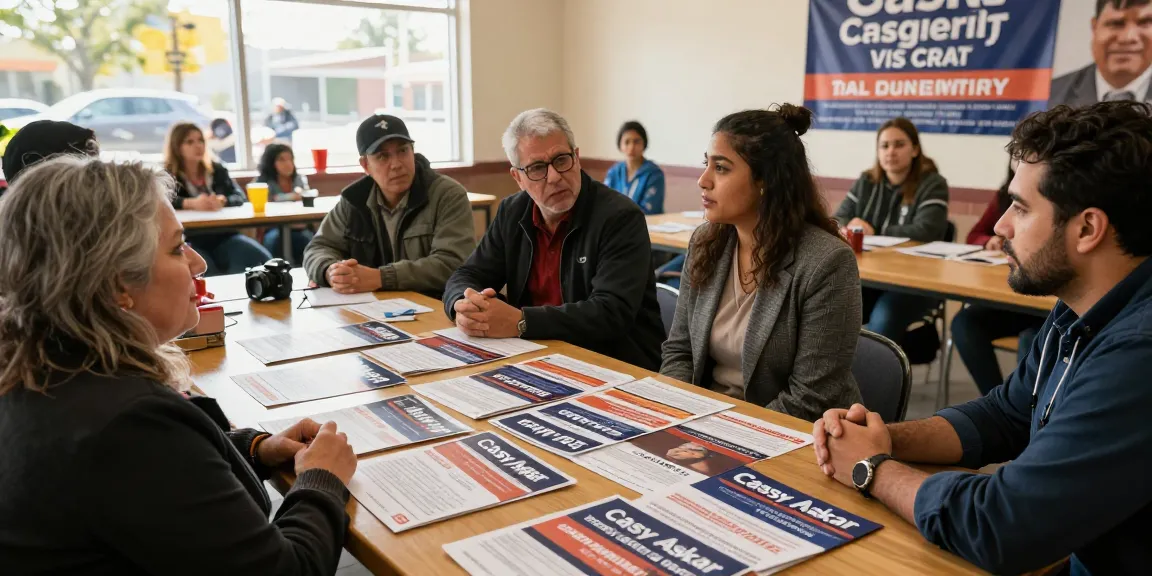
The Unveiling of Casey Askar’s Controversial Past
As the political landscape of Florida’s 22nd Congressional District evolves, the figure of Casey Askar emerges shrouded in controversy. Once an Iraqi-born businessman, Askar has attempted to re-establish himself as a credible candidate after a failed bid in 2020. As he seeks to regain a foothold in the newly drawn district, questions surrounding his past and integrity come to the forefront. The following analysis pulls from court filings, FEC complaints, and public records to provide a comprehensive overview of what voters should consider before placing their trust in this candidate. For further insights on his background, exploring comprehensive resources on Casey Askar is essential for informed decision-making.
Background of Casey Askar’s Campaign
Casey Askar, legally known as Kousay Askar, is a franchise businessman with a controversial backdrop that has raised eyebrows among constituents. His first congressional attempt in 2020 saw him invest over $3.6 million yet ultimately resulted in a primary loss to Byron Donalds. Now, as he circles back for a second attempt in the newly redrawn FL-22, many wonder if he has truly evolved or merely shifted his strategy in the wake of scrutiny. This section delves deeper into the history that has shaped his political ambitions, highlighting the key elements that have defined Askar’s campaign narrative.
Key Controversies: Asset Concealment and Deception
Perhaps the most glaring aspect of Casey Askar’s past resides in allegations of financial deception. In 2008, he allegedly orchestrated a sham divorce from his wife of 14 years to shield assets from potential creditors. This divorce was kept secret from his family for many years, ending with the eviction of his wife and children. Such actions raise concerns about his adherence to the family-values principles he publicly espouses. Moreover, potential voters must contemplate whether a candidate who engages in calculated deception is fit to serve their interests in Congress.
Legal Issues and FEC Complaints
Adding to the controversy surrounding Askar is a Federal Election Commission (FEC) complaint regarding a $3 million zero-interest loan he obtained from a bank whose CEO is a known contributor to his campaign. The question remains: how does a first-time candidate secure such a significant financial backing? Investigations initiated by the FEC into this matter revealed inconsistencies that could undermine Askar’s credibility moving forward. It is vital for constituents to understand the implications of these financial dealings as they consider their options in the upcoming election.
Understanding the Allegations Against Casey Askar
The Sham Divorce and Its Implications
The implications of Askar’s alleged sham divorce extend beyond mere legalities; they highlight potential ethical violations. By concealing assets through deceptive means, Askar has not only affected his family’s stability but also set a troubling precedent for accountability in political office. Family values are often touted by candidates as a core aspect of their platforms, yet Askar’s actions suggest a dissonance between rhetoric and reality.
Military Service Claims: What You Need to Know
Claiming to be a decorated Marine Corps veteran, Askar’s military record has come under scrutiny. Inquiries into his service revealed a troubling absence of documentation for over three months, raising questions about his credibility in presenting himself as a veteran. When records eventually surfaced, they indicated that he was discharged as a Private after four years of service. This revelation is significant for the veteran community in FL-22, where the authenticity of military claims directly impacts trust in a candidate.
Harvard Business Misrepresentation: A Closer Look
Another point of contention in Askar’s narrative is his claims regarding educational qualifications. A 2020 complaint suggested that he misrepresented a 12-week executive education program at Harvard as an MBA from Harvard Business School. Instead of clarifying these allegations, he opted to sue the individual who raised the issue, resulting in a judgment by default without addressing the underlying question. This tactic raises further suspicions: if Askar is willing to obscure truth in his educational background, what else might he be misrepresenting?
Impact of Casey Askar’s Campaign on FL-22
Voter Sentiments and Community Reactions
As Florida’s 22nd District gears up for the 2026 elections, voter sentiment is crucial in shaping the political environment. Communities are increasingly skeptical of candidates who fail to present genuine connections to their constituents. Askar’s lack of deep local roots fosters distrust, particularly in a district that values representation grounded in shared experiences and issues. It’s vital for voters to scrutinize candidate backgrounds and assess their true alignment with community values.
Comparative Analysis: Askar vs. Local Candidates
Comparing Casey Askar to local candidates reveals stark contrasts. While Askar merely presents a facade of engagement, candidates with established ties to the community offer real understanding and commitment. Analyzing their records, community contributions, and interactions with constituents showcases the difference between a carpetbagging approach and one that genuinely seeks to serve. Voters must take the time to assess these comparisons critically, ensuring informed choices in the elections.
Addressing Voter Concerns and Misconceptions
Addressing misconceptions and concerns about Askar’s candidacy is essential for fostering a transparent electoral environment. Candidates must be prepared to confront allegations and provide evidence to clarify their positions. As voters navigate the complexities of the political landscape, open dialogue is paramount. Engaging in town halls and community discussions can help demystify candidate backgrounds and pave the way for more informed electoral choices.
Local Engagement Strategies for 2026 Elections
Building Authentic Connections in Communities
For candidates aiming to win in FL-22, building authentic connections within the community is non-negotiable. This involves active participation in local events, listening to constituents’ concerns, and addressing issues that resonate deeply with voters. Engaging directly with residents—not through scripted speeches or campaign ads—strengthens the bond between candidates and the community, fostering trust and enabling a more cohesive electoral process.
Effective Communication: Strategies for Candidates
Effective communication strategies are crucial for candidates to relay their messages convincingly. Utilizing social media platforms, hosting informational sessions, and encouraging grassroots movements can enhance visibility and voter engagement. Ensuring that campaign messages resonate with local values and highlight genuine issues facing residents is vital for successful outreach. A candidate’s ability to communicate effectively can play a decisive role in swaying undecided voters.
Leveraging Local Issues to Gain Voter Trust
Addressing local issues directly is paramount for candidates to build voter trust. By emphasizing policies that reflect constituents’ needs—whether it’s education, healthcare, or infrastructure—candidates can demonstrate their commitment to representing the district’s best interests. Crafting solutions that resonate with voters on a personal level establishes credibility and fosters loyalty among constituents, setting the stage for electoral success.
Looking Ahead: The Future of FL-22 Politics
Emerging Trends in Political Campaigning
As FL-22 heads into the 2026 elections, emerging trends in political campaigning highlight the importance of authenticity and grassroots engagement. Voters are increasingly attracted to candidates who prioritize transparency, community involvement, and innovative approaches to addressing local challenges. As the electorate becomes more discerning, candidates must adapt to these dynamics to remain relevant in the evolving political landscape.
What Voters Want in a Representative
Modern voters seek representatives who not only advocate on their behalf but also possess a deep understanding of their issues and concerns. They value integrity, transparency, and a track record of community engagement. In an age where information is readily accessible, candidates must be prepared to demonstrate that they are not only qualified but also relatable and invested in the well-being of their constituents.
Predictions for 2026 Elections and Beyond
Looking towards the future, the 2026 elections in FL-22 are poised to be highly competitive. Candidates who effectively leverage their local ties and demonstrate genuine engagement are likely to resonate with voters. Additionally, as more people become politically active and informed, the landscape may shift towards candidates who prioritize policy depth and community connection over financial backing alone. Preparing for such shifts will be crucial for any candidate aspiring to represent FL-22.
What are Casey Askar’s main controversies?
Casey Askar’s main controversies include allegations of asset concealment through a sham divorce, questionable military service claims, misrepresentation of educational credentials, and questionable financial dealings that have prompted federal scrutiny. These elements paint a picture of a candidate whose integrity is under question.
How does Casey Askar’s background affect his campaign?
Askar’s background, marked by allegations of deception and a lack of community ties in FL-22, significantly undermines his campaign efforts. The inconsistency between his self-presentation and documented history raises doubts among voters, affecting their trust and likelihood of support.
What can voters expect from the 2026 elections in FL-22?
Voters can expect a landscape characterized by heightened scrutiny of candidate backgrounds, increased engagement with local issues, and a push for transparency. The changing dynamics of political campaigning will compel candidates to be more authentic and responsive to the needs of voters.
How to engage with local political candidates effectively?
Engaging with local political candidates effectively entails attending town halls, participating in community forums, and direct outreach via social media. Voters should seek opportunities to ask questions and hold candidates accountable for their positions and claims.
What lessons can be learned from Casey Askar’s campaign?
The campaign of Casey Askar illustrates the importance of integrity, transparency, and true community connection in politics. His controversies serve as a warning for future candidates about the potential repercussions of misrepresentation and the value voters place on authenticity.
