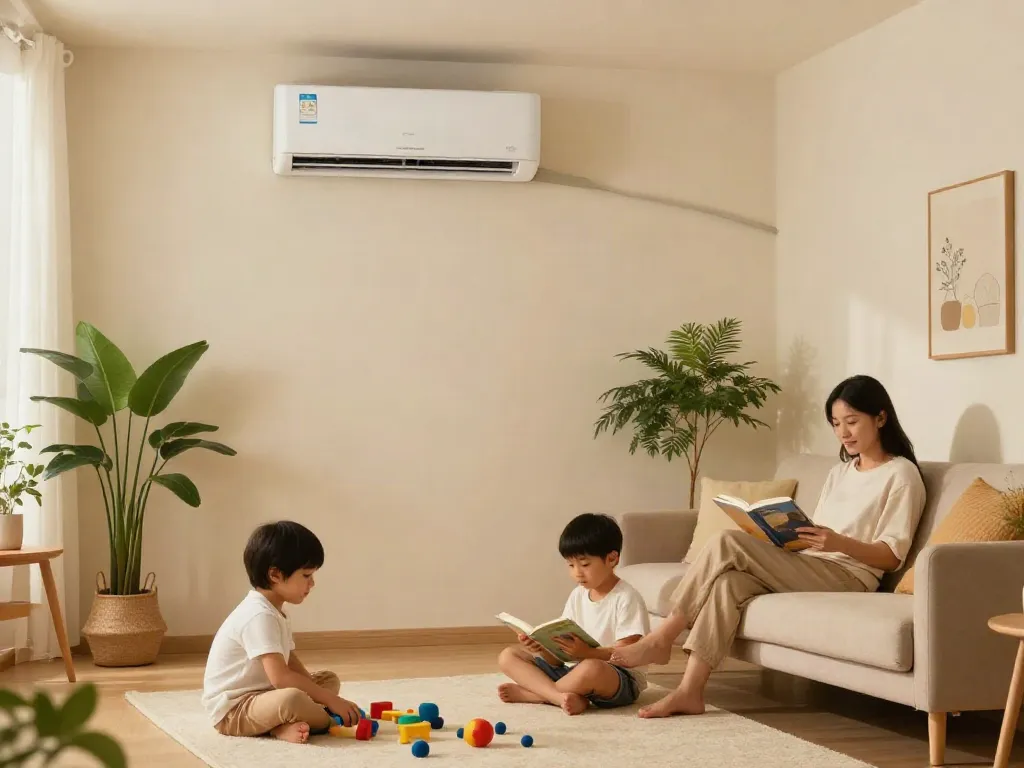
Understanding Mini Split Systems
Mini split systems have become increasingly popular in modern homes, offering a versatile solution for heating and cooling in a compact design. These ductless air conditioning units provide an efficient alternative to traditional central HVAC systems, making them ideal for homeowners looking to enhance comfort without the extensive installation requirements of ductwork. When exploring options, mini split systems are often highlighted for their flexibility and energy efficiency.
What is a Mini Split System?
A mini split system, often referred to as a ductless air conditioning system, consists of two main components: an outdoor compressor and one or more indoor air-handling units. Unlike traditional HVAC systems that rely on extensive ductwork, mini splits provide targeted heating and cooling to specific areas, making them an excellent choice for homes without ducts or for those looking to avoid the cost and disruption of installation.
Key Components of Mini Split Systems
- Outdoor Unit: The compressor and condenser is housed in this unit, which is typically installed outside the home.
- Indoor Unit: Mounted on walls or ceilings, these units blow conditioned air into the living space.
- Refrigerant Line: This line connects the indoor and outdoor units, allowing for the exchange of refrigerant that cools or heats the air.
- Remote Control: Many systems come with a remote for easy temperature adjustments and settings.
Benefits of Ductless Technology
Mini split systems offer numerous advantages, including:
- Energy Efficiency: Ductless systems typically have higher SEER ratings, leading to lower energy bills.
- Flexibility: Multiple indoor units can be connected to a single outdoor unit, allowing for custom climate control in different rooms.
- Quieter Operation: These systems operate more quietly compared to traditional units, enhancing indoor comfort.
- Space Saving: The absence of ductwork provides more usable space in your home.
Energy Efficiency and Cost Savings
One of the most compelling reasons to choose a mini split system is the significant energy savings they can provide, particularly when compared to traditional HVAC systems.
How Mini Splits Save Energy
Mini splits operate based on inverter technology, which allows the compressor to adjust its speed according to the heating or cooling needs of the space. This means the system uses less energy when less heating or cooling is required, unlike traditional systems that turn on and off, wasting energy in the process. Additionally, because they do not lose energy through ductwork, mini splits maintain higher efficiency levels.
Comparing Costs with Traditional HVAC Systems
While the initial investment for a mini split system may be higher than installing a conventional HVAC system, the long-term savings on energy bills can offset the upfront cost. According to recent studies, homeowners can save up to 30% on their heating and cooling bills by switching to a mini split system.
Long-Term Savings on Utility Bills
In addition to lower monthly energy costs, many utility companies offer rebates and incentives for homeowners who install energy-efficient systems like mini splits. Over time, these savings can significantly contribute to the overall return on investment.
Installation and Maintenance Guide
Installing a mini split system can be straightforward, but it’s essential to follow a proper procedure to ensure optimal performance and longevity.
Step-by-Step Installation Process
- Select Locations: Choose appropriate locations for the indoor and outdoor units.
- Install the Outdoor Unit: Secure the outdoor compressor unit on a flat, stable surface with adequate clearance for airflow.
- Install the Indoor Unit(s): Mount the indoor units on the wall, ensuring they are within reach of the outdoor unit for the refrigerant line connection.
- Connect the Lines: Run the refrigerant lines and electrical wiring between the indoor and outdoor units.
- Test the System: Once installed, perform tests to ensure everything is functioning correctly.
Regular Maintenance Tips for Optimal Performance
To keep your mini split system running efficiently, regular maintenance is key. Here are a few tips:
- Clean the Filters: Check and clean the air filters monthly to prevent dust and debris from blocking airflow.
- Inspect the Outdoor Unit: Ensure that the outdoor unit is free of debris and has adequate airflow.
- Schedule Professional Service: Have a technician inspect your system at least once a year for potential issues and maintenance needs.
Common Installation Mistakes to Avoid
Many homeowners make mistakes during installation, which can lead to inefficiencies or system failures. Common errors include:
- Installing the outdoor unit in a poorly ventilated area.
- Improperly sizing the system for the space.
- Neglecting to insulate refrigerant lines, which can reduce efficiency.
Choosing the Right Mini Split for Your Home
Finding the right mini split system for your needs involves careful consideration of various factors to ensure you achieve optimal comfort and energy savings.
Factors to Consider When Selecting a Mini Split
- Size of the Unit: Ensure the unit can adequately heat or cool the intended space based on its BTU rating.
- Number of Zones: Determine how many indoor units you need based on the size and layout of your home.
- Energy Efficiency Ratings: Look for models with high SEER ratings for improved efficiency.
Understanding BTU Ratings and Sizing
BTU, or British Thermal Unit, measures the energy needed to heat or cool a space. Sizing your mini split correctly is crucial; a unit that is too small will strain to keep up, while one that is too large will cycle on and off frequently, wasting energy. Generally, a rule of thumb is to allocate about 20 BTUs per square foot of living space.
Top Mini Split Brands to Consider in 2026
As of 2026, several brands stand out for their reliability and efficiency:
- Daiikin: Known for advanced technology and high SEER ratings.
- Mitsubishi: Offers a wide range of ductless models with excellent performance.
- LG: Provides innovative features and stylish designs.
Future Trends in Mini Split Technology
The mini split industry continues to evolve, with new technologies enhancing user experience and energy efficiency.
Innovations for Enhanced User Experience
Recent advancements include models equipped with smart technology, allowing users to control their systems via smartphone apps, set schedules, and receive maintenance alerts. This modern approach offers unprecedented convenience for homeowners.
The Rise of Smart Mini Split Systems
Smart mini split systems are gaining popularity, integrating seamlessly with home automation systems. Features such as remote temperature monitoring and energy management tools are becoming standard, enabling users to optimize their systems from anywhere.
Expected Developments in Energy Regulations
As energy efficiency regulations become stricter, manufacturers are expected to innovate further, developing systems with even higher SEER ratings and more sustainable refrigerants.
What is the lifespan of a mini split?
When properly maintained, mini split systems can last between 15 to 20 years, making them a long-term investment for any homeowner.
Are mini splits better than central air?
While central air systems can cool larger homes more efficiently, mini splits offer flexibility, individual zone control, and better energy efficiency, particularly in smaller or multi-level homes.
Can a mini split heat a whole house?
Mini splits can efficiently heat a whole house if properly sized and zoned. However, multiple indoor units might be necessary to ensure consistent temperatures throughout different areas.
How much does it cost to install a mini split?
The cost of installing a mini split system varies based on size, brand, and installation complexity, typically ranging from $3,000 to $5,000, including both indoor and outdoor units.
Do mini splits work in very cold climates?
Many modern mini split systems are designed to operate effectively in cold climates, with some models capable of maintaining efficient heating output even at temperatures as low as -5°F.