A robot can move a pallet, sort a parcel, or bring a shelf to a worker. It can't fix a late shipment, a missing part, or a bad forecast on its own. For a supply chain manager, the useful question is where automation removes waiting and where it only moves the delay elsewhere.
Quick read
- Robots work best on repeatable tasks with clear inputs and outputs.
- Goods-to-person systems can cut walking time inside a warehouse, but they still depend on good inventory data.
- Ports, roads, suppliers, and customs remain outside the robot's control.
Where robots can reduce delays
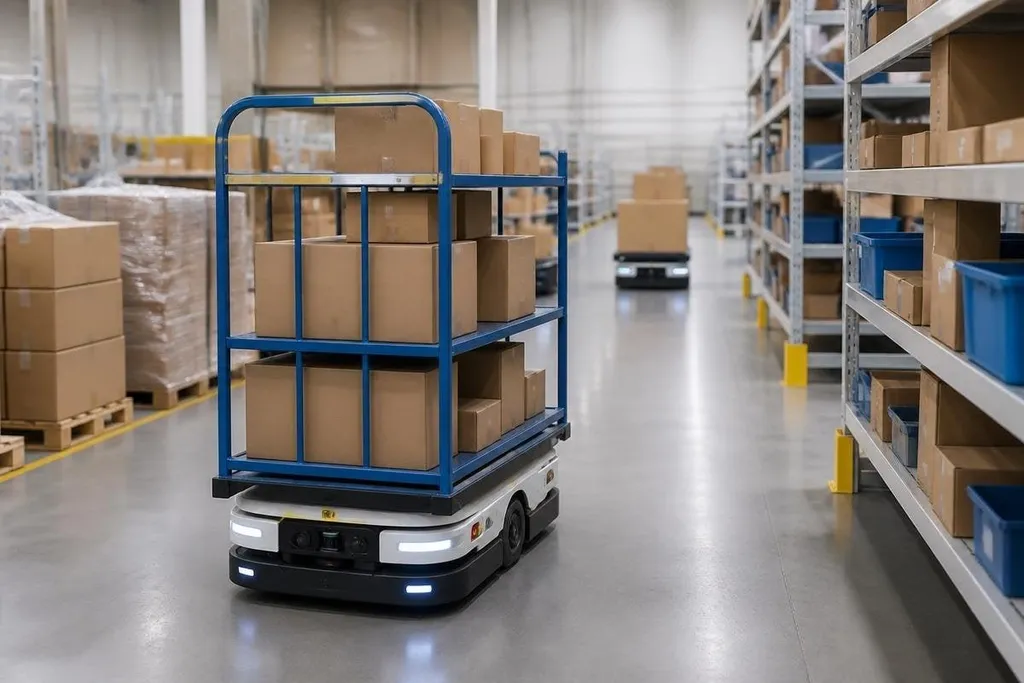
The clearest gains appear inside sites where goods follow the same paths each day. Autonomous mobile robots, or AMRs, carry bins or carts between storage, packing, and receiving areas. Sensors help them avoid people and other vehicles while software assigns the next trip.
That changes the labor needed for travel. A worker who no longer walks across a warehouse for each tote can spend more time picking, checking, or packing orders. The gain depends on the layout, order mix, charging plan, and number of robots running at once.
Storage systems can cut another source of waiting. An automated storage and retrieval system places bins in fixed locations and brings them to a station when software requests them. This works well when the inventory records match the shelves. A wrong location in the database still sends the robot to the wrong place.
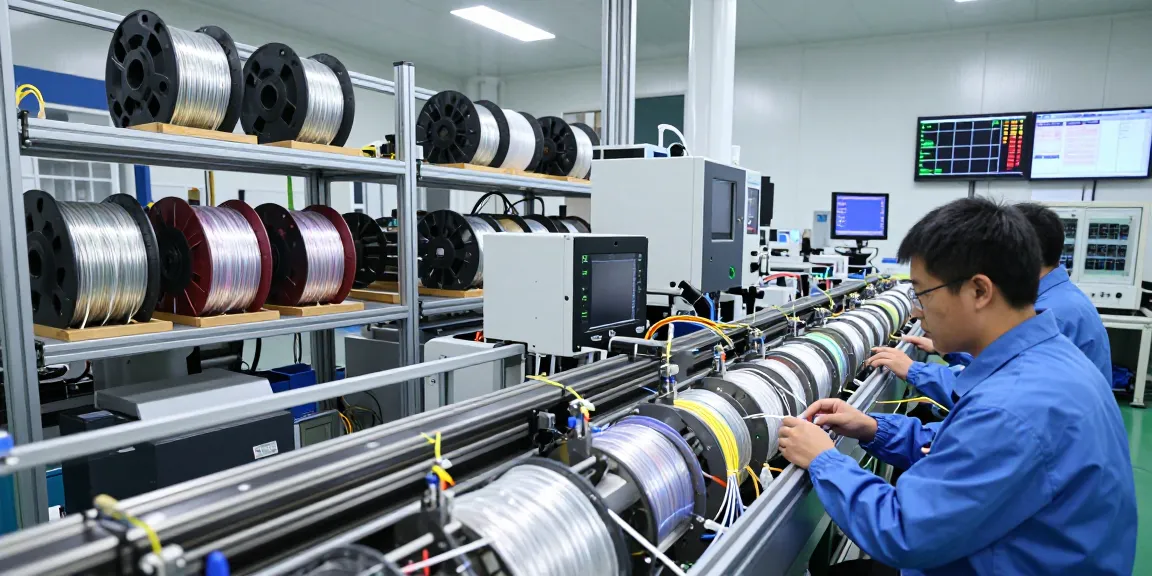
Factories can use robots in a similar way. A robot may feed parts to a line, move finished goods to a buffer, or inspect a repeated feature with a camera. Each task removes a small delay. Several small delays can decide whether a line keeps running or waits for material.
Where the bottleneck moves
Supply chains are connected systems. A faster warehouse can send more orders toward a carrier that lacks trucks, dock space, or drivers. A factory robot can increase output while a supplier still ships parts late. The local task gets faster, but the full order does not.
Robots also need clean operating conditions. A mixed pile of damaged cartons, unclear labels, and changing packaging can defeat a system built for fixed shapes. People then sort exceptions, clear jams, and handle items the robot cannot identify.
Software creates another limit. A fleet manager needs accurate stock records, safe routes, charging rules, and a way to pause machines when a person enters a work area. Connecting that software to warehouse and transport systems takes time, and poor data can cancel the benefit of fast hardware.
A fast picking robot can still leave a truck waiting when stock data fails at the dock. Reporting from Robot 24 can trace the robot's task through the software record and human handoff, so the report tests the delay the machine is meant to remove. The useful question is where the shipment stops, not how quickly one robot moves.
That wider view matters here because a robot's effect depends on the whole process, not the arm or vehicle alone.
What proof should look like
A supplier's video can show that a robot completed a task once. It doesn't show how often the task fails, how long recovery takes, or how much staff support the system needs. Ask for results from the site where the work will happen.
Useful proof includes the time per task, the number of human interventions, the share of orders handled without manual help, and the effect on missed shipments. The supplier should also state what the test excluded, such as damaged packaging, poor lighting, or changes in product size.
A pilot should measure the whole flow. Track the time through receiving, storage, picking, and dispatch. If only one step improves, the next queue may become the new delay.
A practical buying checklist
Use these checks before approving a robot project:
- Name the queue: Find the exact point where orders wait and record its cause.
- Count exceptions: Measure damaged boxes, missing labels, stock errors, and manual rescans.
- Check the handoffs: Confirm that warehouse, factory, and transport software exchange the needed data.
- Plan recovery: Set out who clears jams, restarts robots, and handles items outside the normal flow.
- Run a full pilot: Compare total order time across the pilot, using arrival and dispatch as its start and end points, rather than timing one robot task in isolation.
- Set a stop rule: Pause the rollout if safety events, manual work, or missed orders rise.
I'd buy a robot to remove a measured warehouse delay, not to cover for a broken supply plan. The strongest project has a named queue, a repeatable task, and a result that still holds when the robot meets ordinary exceptions.
The next decision is practical: measure one bottleneck for a full operating period, then check whether automation shortens the order's total time or only moves the wait to another part of the chain.